
Error coins sit at the crossroads of history, rarity, and minting science. These pieces emerge from unexpected production flaws that transform routine issues into standout collectibles. Each mistake leaves a visible mark that sets the coin apart, sparking curiosity among hobbyists and specialists. Collectors enjoy the thrill of finding such anomalies, knowing that even small variations can elevate a coin’s value far beyond its face denomination.
Error types vary in form and scale: doubled dies, wrong planchets, striking misalignments, and altered lettering. Some are dramatic enough to spot instantly, while others demand a loupe and trained eye or a precise coin scanner. Learning the major errors helps collectors recognize pieces with strong long-term demand.
What Makes an Error Coin “Iconic”?
Not all mishaps become legends. A few conditions raise a coin into the iconic category:
- Clear visual deviation that stands out easily.
- Limited surviving population, often due to early destruction of flawed batches.
- Historical context connected to metal shortages, experimental planchets, or minting transitions.
- Strong market performance supported by auction records and collector demand.
These traits push certain error coins into national awareness, shaping the core of many advanced collections.
How Error Coins Fit Into Today’s Hobby
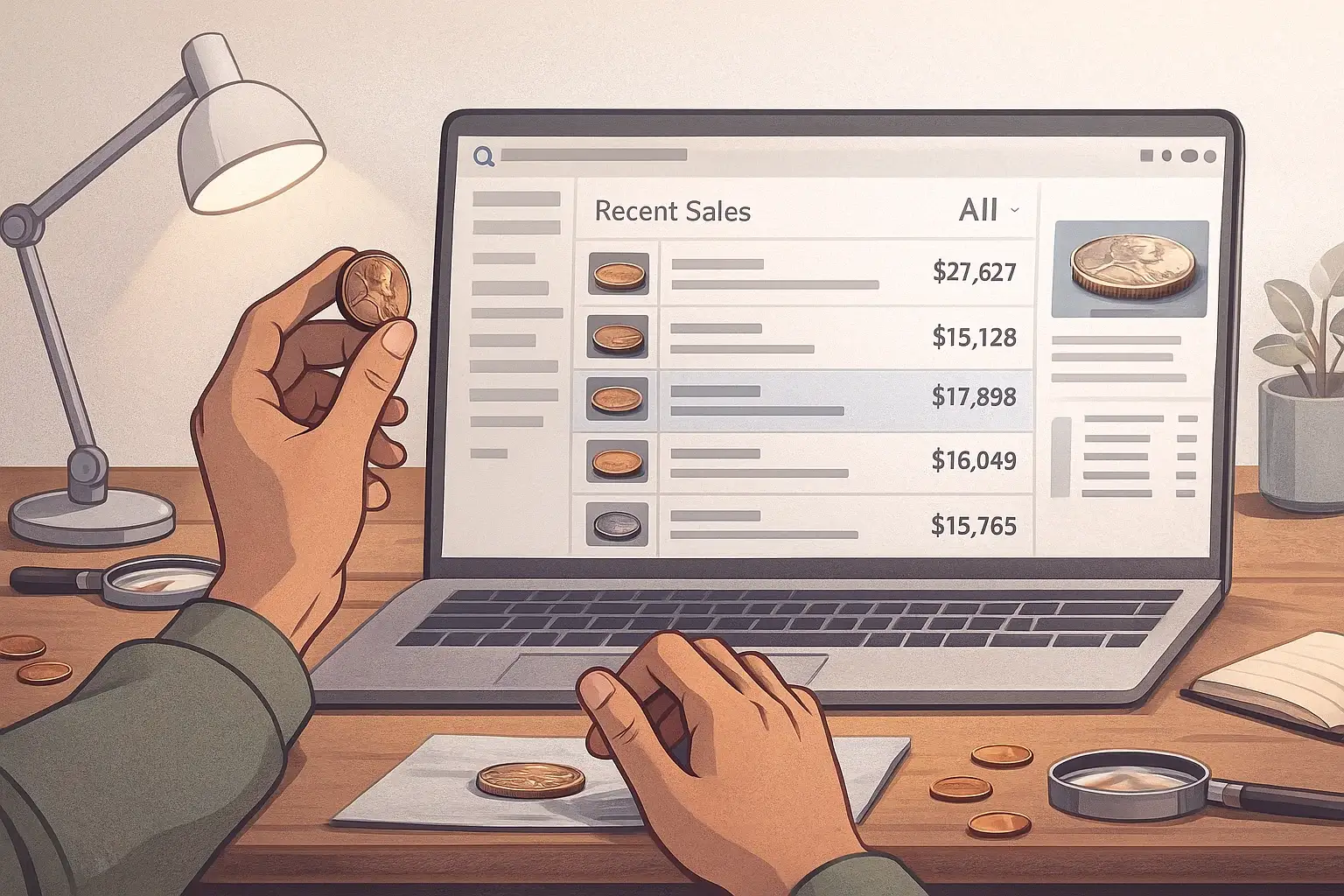
The rise of digital research tools like a coin value app and online marketplaces made error coins easier to study. Collectors no longer rely solely on printed guides; they compare examples, verify specifications, and track value trends in minutes. Photo-recognition apps help flag irregularities in date placement, doubling, or planchet composition. This support leads to more informed decisions and reduces the risk of overlooking rare pieces.
Overview of the Most Famous U.S. Error Coins
The United States Mint has produced several notable errors across decades. Some were accidents tied to wartime metal shortages. Others reflect die preparation quirks or experimental materials. The most widely recognized include:
- The legendary 1943 Copper Penny, born from leftover bronze planchets.
- The 1955 Doubled Die Obverse Lincoln Cent, known for bold doubling visible to the naked eye.
- The 1969-S Doubled Die Lincoln Cent, once challenged as counterfeit before gaining official recognition.
- The 1974 Aluminum Penny, a near-mythical experiment that rarely appears publicly.
- Additional favorites such as the 1937 Three-Legged Buffalo Nickel and the 1992 Close AM Lincoln Cent.
The Most Iconic U.S. Error Coins and What Makes Them Valuable
Collectors study error coins for their dramatic appearance, rarity, and clear connection to minting challenges. Each famous example has defining traits that set it apart. Understanding these features strengthens a collector’s ability to recognize important pieces during hunts, auctions, or market research.
1943 Copper Penny
The 1943 Copper Penny sits at the top of U.S. error legends. During World War II, the Mint switched to steel-coated planchets to conserve copper. A few leftover bronze planchets from 1942 slipped into the presses, creating accidental copper cents for 1943. Only a handful exist, and their scarcity drives values beyond $500,000 for certified high-grade pieces.
Identifying tips:
- Copper tone instead of steel gray.
- Weight around 3.11 grams (steel cents weigh 2.7 grams).
- No magnetic pull; genuine 1943 bronze cents do not stick to magnets.
Collectors often use photo-checking tools to compare color, diameter, and weight. Apps like Coin ID Scanner help confirm standard specs for the 1943 steel cent, allowing collectors to flag likely mismatches immediately.
1955 Doubled Die Obverse Lincoln Cent
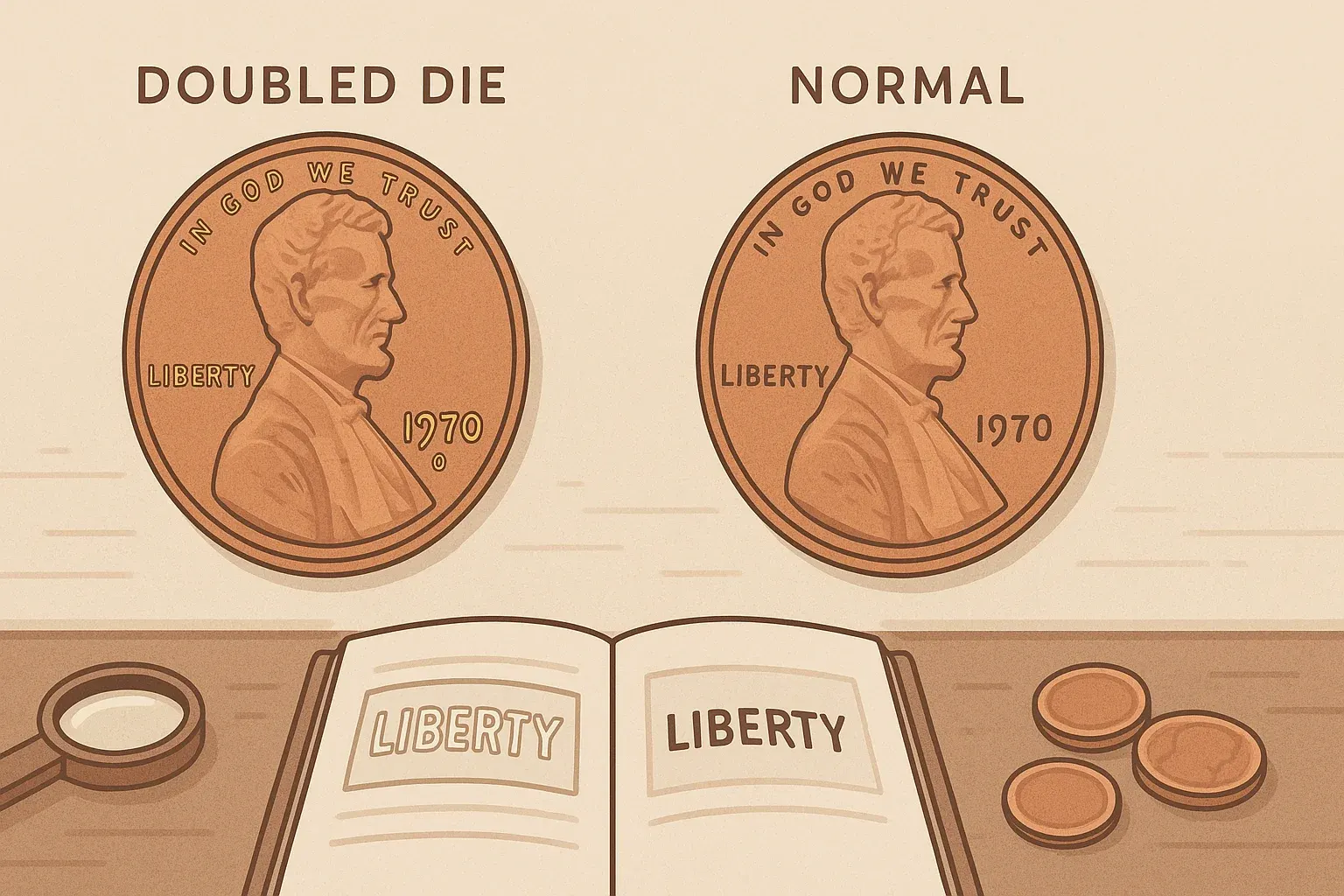
The 1955 Doubled Die Obverse is one of the most dramatic die errors ever released. Strong doubling affects the date, LIBERTY, and IN GOD WE TRUST. The doubling is so bold that many casual collectors spot it without magnification.
The error occurred when the working die received misaligned impressions during hubbing. Once these coins reached circulation, their fame spread quickly, and they remain a cornerstone of error collecting.
Key traits:
- Clear, thick doubling across the entire obverse lettering.
- Reverse looks normal, helping verify authenticity.
- Best examples sell for tens of thousands of dollars at auction.
1969-S Doubled Die Lincoln Cent
The 1969-S doubled die is rarer than the 1955 issue but visually similar in intensity. Early assumptions labeled them counterfeits, delaying recognition. Once authenticated, these cents gained a reputation for dramatic doubling visible on LIBERTY and the date.
Value benchmarks:
- Mid-grade pieces often sell in the five-figure range.
- High-grade certified examples can approach $75,000 or more.
Collectors examine this error with careful attention to mint mark placement, as the “S” mint mark does not show doubling—an important authentication detail.
1974 Aluminum Penny
In 1974, the Mint tested aluminum planchets as a potential replacement for copper. Several prototypes were struck, but the project never moved forward. Most pieces were reclaimed and destroyed, leaving fewer than ten examples known to the public. Because they were never officially released, they occupy a unique position in U.S. numismatics.
Characteristics:
- Light silver tone with a matte appearance.
- Very low weight compared to standard cents.
- Market value exceeding $250,000 in documented cases.
These pieces rarely appear for private ownership, making them aspirational items for advanced collectors.
Other Notable Errors Worth Studying
Several additional errors hold strong demand due to clear visual flaws or unusual production conditions.
1937 Three-Legged Buffalo Nickel
- Caused by overpolishing the die, removing the bison’s front right leg.
- Highly visible and popular among collectors.
- Prices vary widely depending on detail and wear.
1992 Close AM Lincoln Cent
- Shows a proof-style reverse mistakenly paired with circulation strikes.
- The spacing between A and M in AMERICA is tight and distinct.
- Scarcer than many realize, making it an excellent target for roll hunters.
Digital tools support fast comparisons. With the coin identifier app, collectors can check standard mint specifications before examining deviations. Smart filters help narrow searches by strike type, composition, or issue year, while the AI Coin Helper assists with catalog notes and visual confirmation.
Building a Smart Strategy for Finding and Collecting Error Coins
Error coins reward patience and knowledge. Their rarity often means they appear unexpectedly in change, old collections, estate lots, or overlooked auctions. A strong strategy helps collectors separate common anomalies from valuable pieces, manage finds effectively, and approach the hobby with confidence.
How to Spot Errors Efficiently
Most iconic errors are visually bold, yet many minor varieties require close inspection. Building a reliable detection routine reduces the chance of missing something important.
Useful habits include:
- Scanning all dates and mint marks before checking for doubling.
- Using a loupe to view lettering edges and design contours.
- Noting unusual thickness, color, or metal tone that hints at a wrong planchet.
- Comparing a suspected error side by side with a normal strike.
Collectors who handle large quantities—roll hunters, estate buyers, market sellers—benefit most from consistent screening.
Preservation and Handling of Valuable Errors
Error coins require careful storage, as damage lowers value dramatically. Even small marks or fingerprints can reduce premiums. Serious collectors follow a protection routine that keeps surfaces intact.
Best practices:
- Handle coins only at the edges, using gloves when possible.
- Store high-value errors in rigid holders or certified slabs.
- Keep copper coins away from humidity to prevent spotting or corrosion.
- Photograph each coin after acquisition to document the condition clearly.
Digital records pair well with physical storage, allowing collectors to register upgrades, track value changes, and maintain an organized inventory.
Planning a Focused Error Coin Portfolio
Error coins span many decades and series, so defining a collecting direction helps keep the hobby structured. Some collectors choose a narrow approach—Lincoln cent errors only, for example—while others build broader reference sets.
A focused plan may follow:
- Theme-based collecting, such as doubled dies or wrong planchet strikes.
- Specific series, like Buffalo nickels or the Lincoln series.
- Major historical periods, such as wartime errors or transitional compositions.
- Investment-driven strategies, centered on coins with strong market performance.
Auction archives, dealer catalogs, and community forums offer insight into long-term trends, helping collectors judge which errors hold stable demand.
The Value of Understanding Error Icons
Error coins combine luck, rarity, and storytelling, creating a category that excites both new and seasoned collectors. The most iconic examples—1943 Copper, 1955 Doubled Die, 1969-S Doubled Die, 1974 Aluminum—represent extreme minting anomalies. Others, like the Three-Legged Buffalo Nickel and the 1992 Close AM, remain accessible targets with strong educational value.
Develop sharp observation skills, rely on digital tools, and use a structured collecting plan. This is the basement for a further meaningful error-coin portfolio. The deeper the knowledge, the greater the chance to uncover a treasure in spare change!